Signal, Symbol & Meaning-Making
SEE THE SWITCH
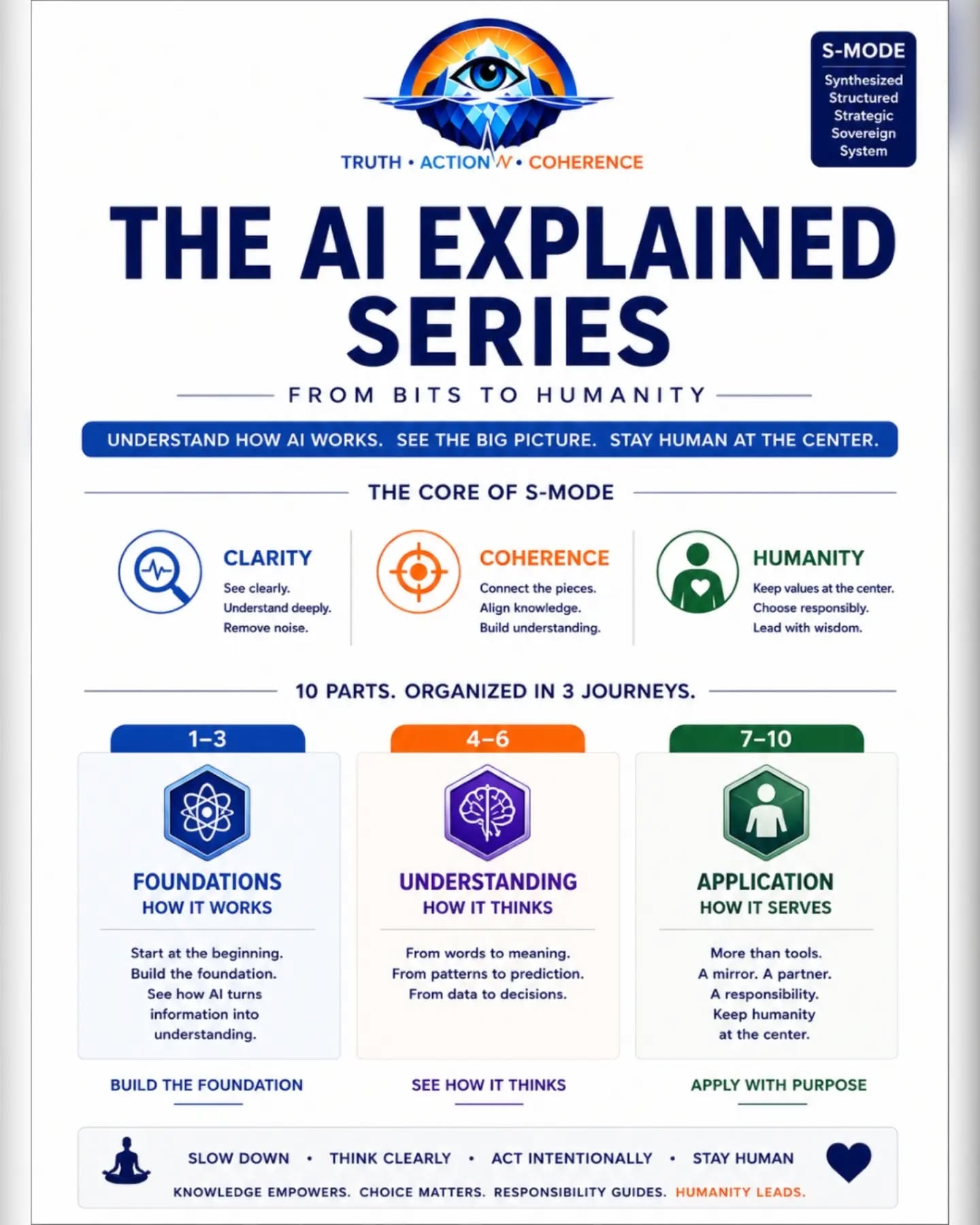
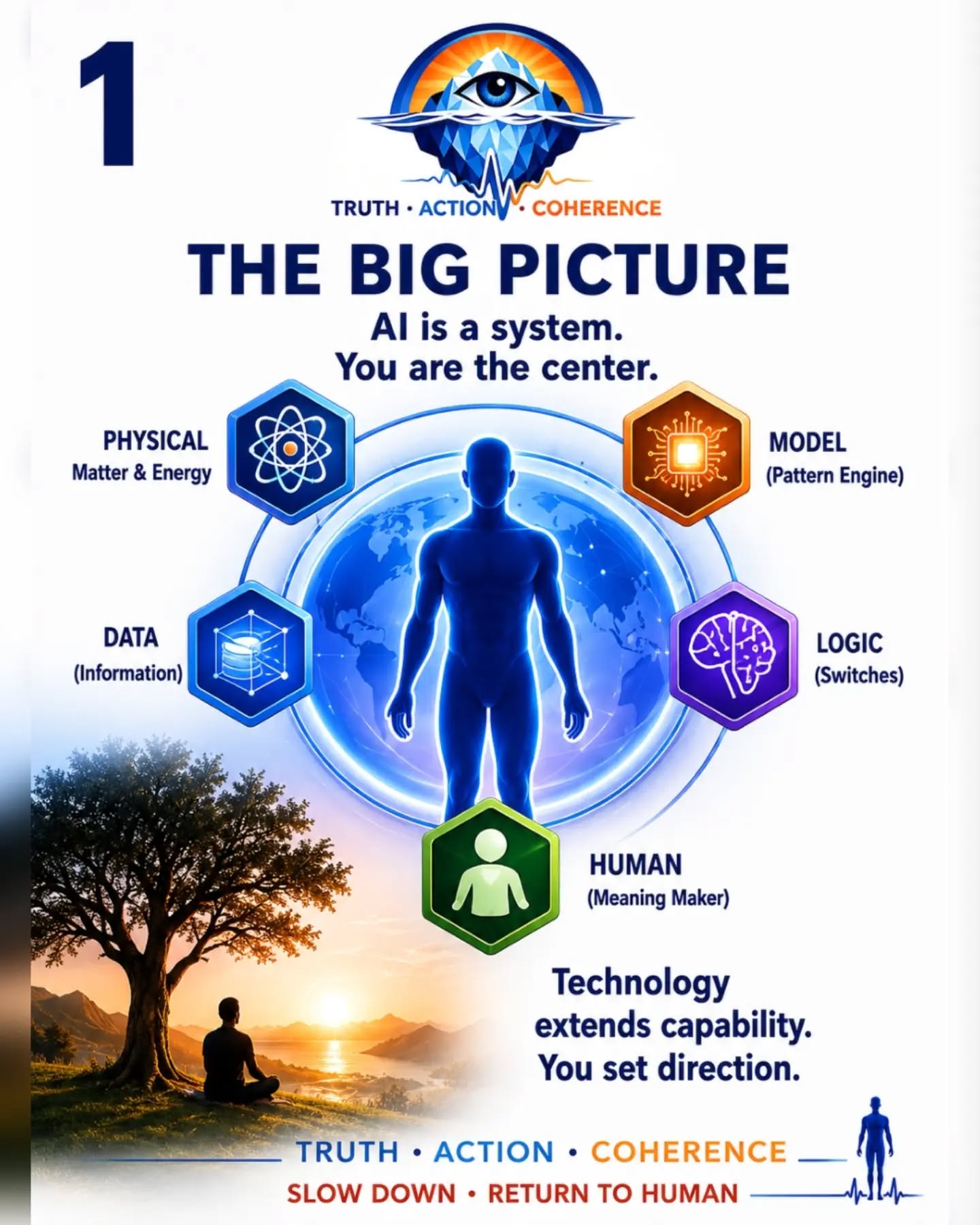
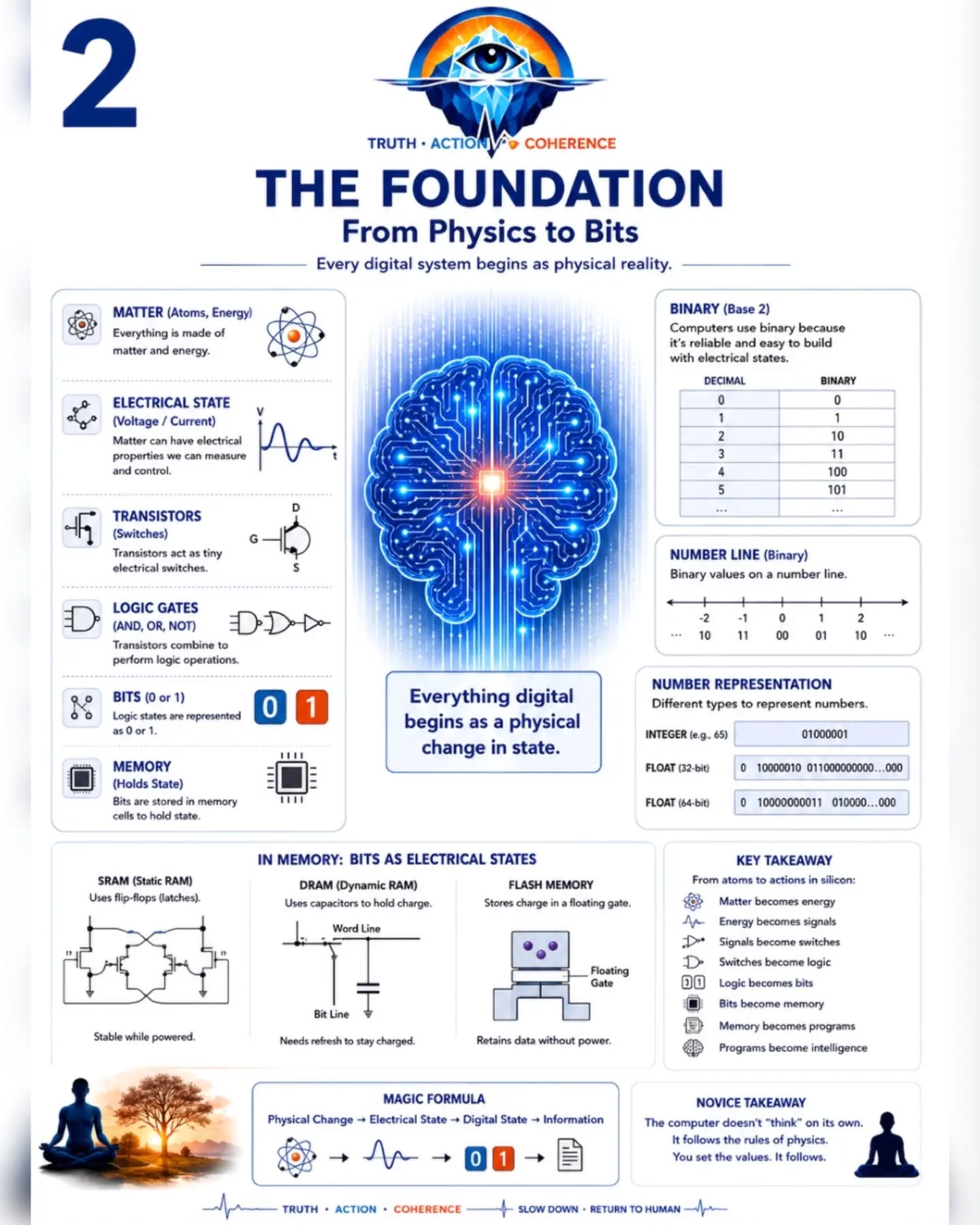
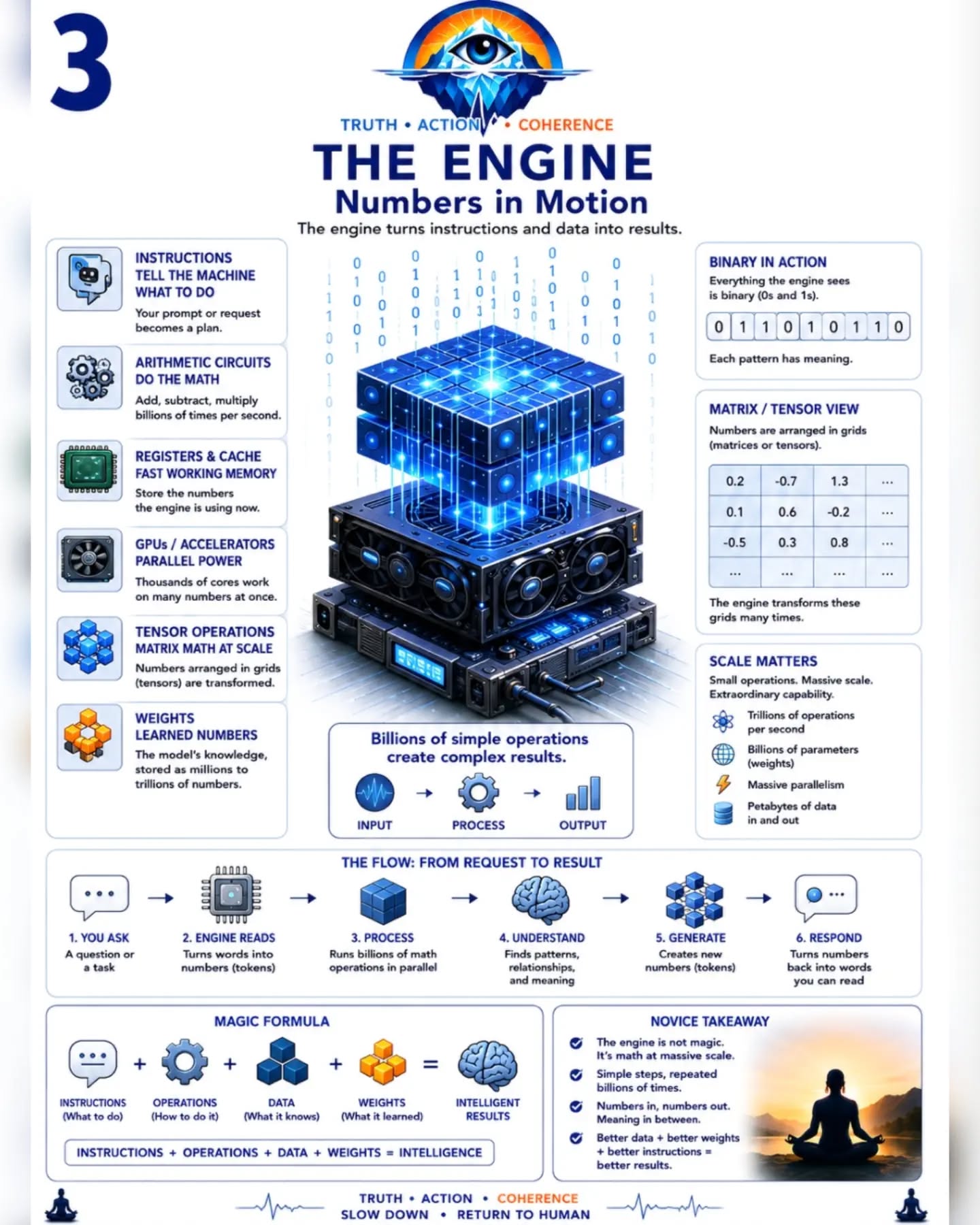
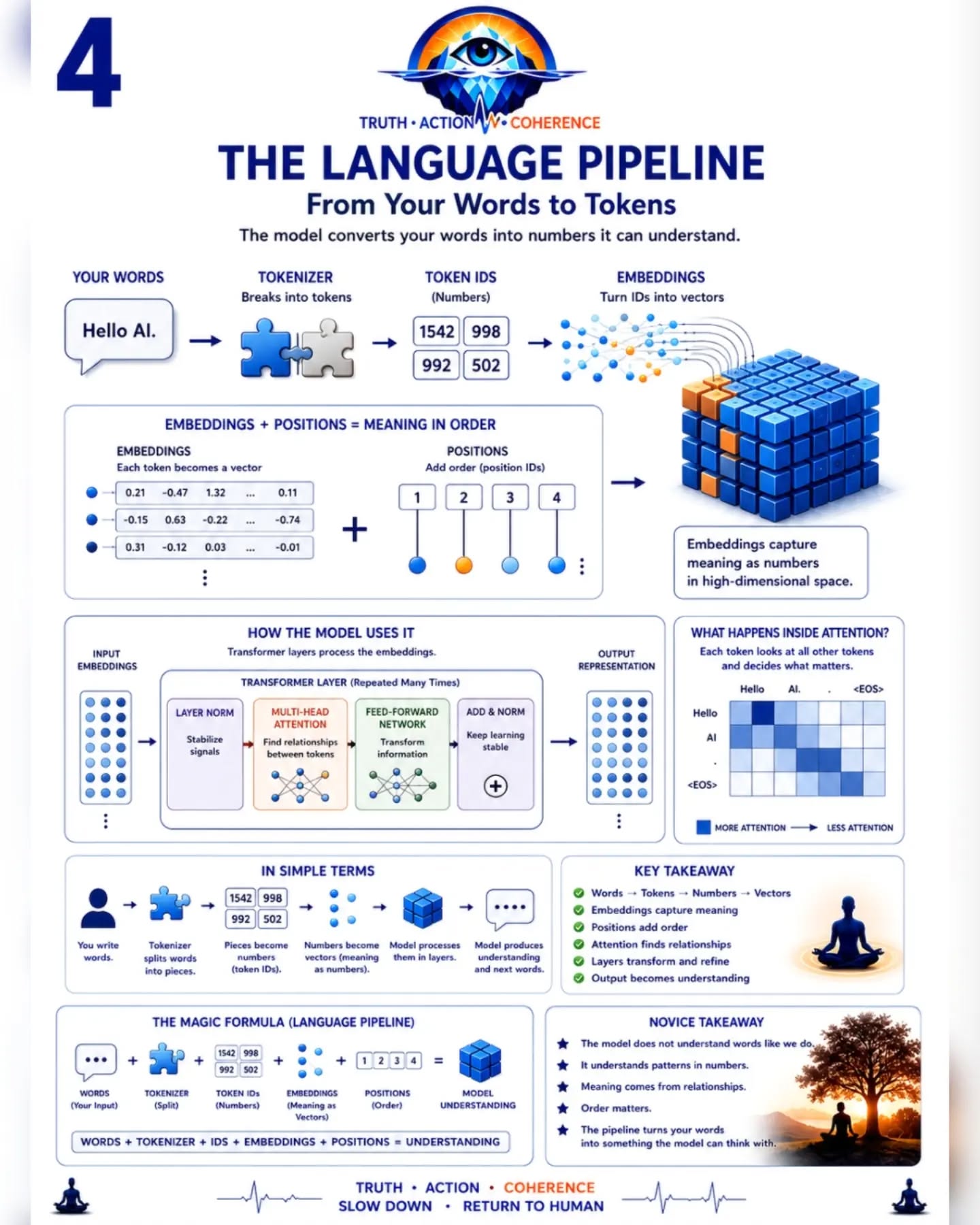
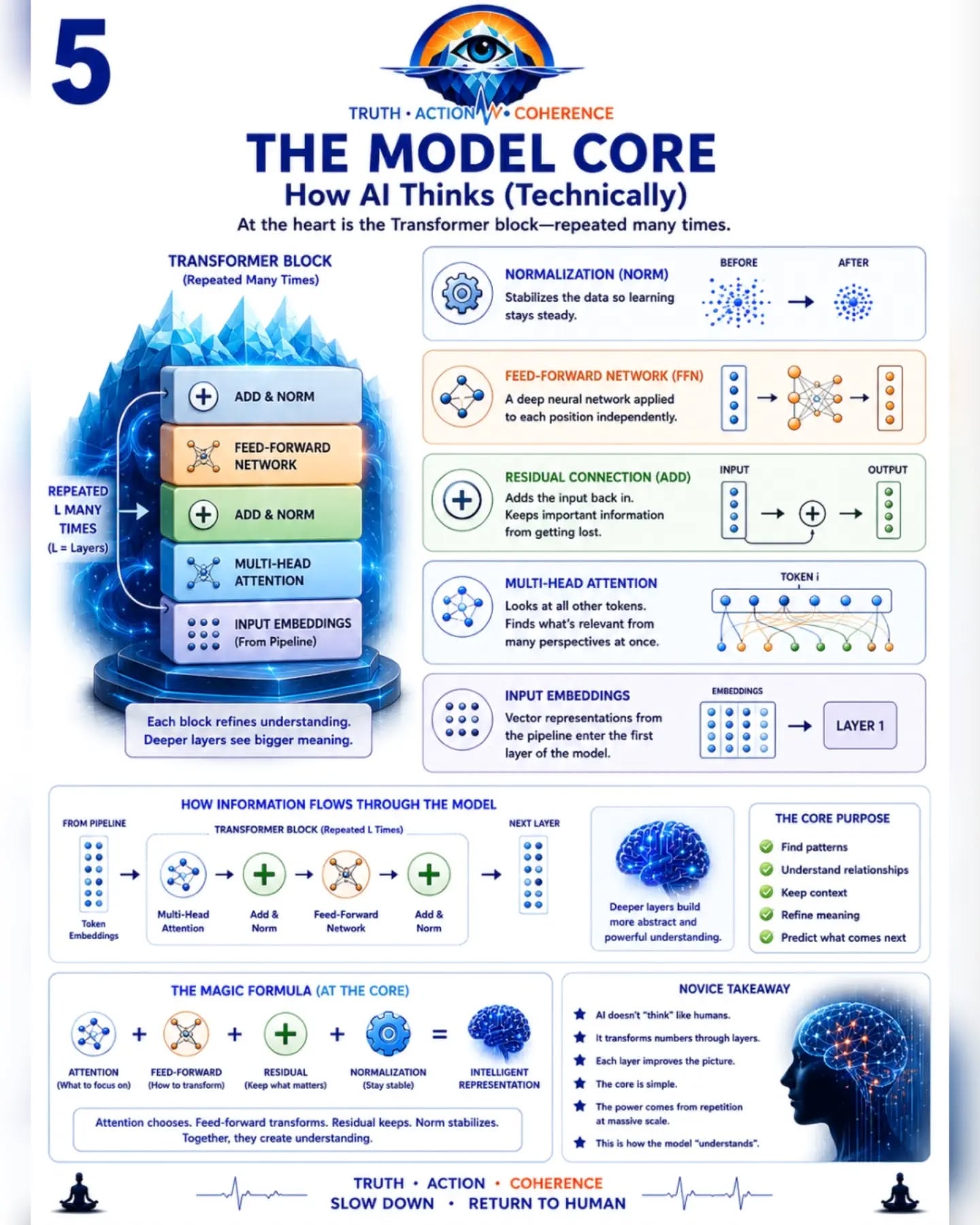
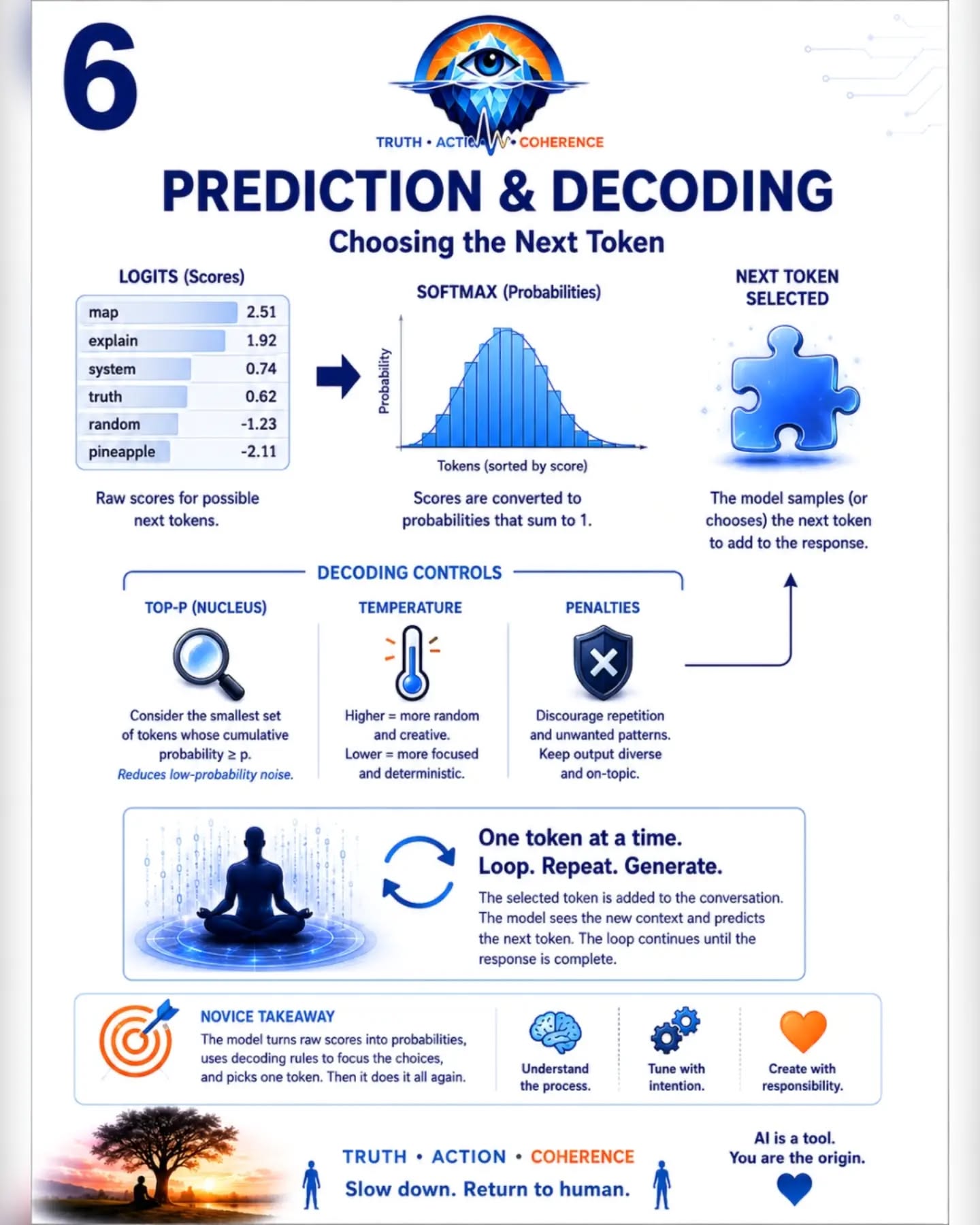
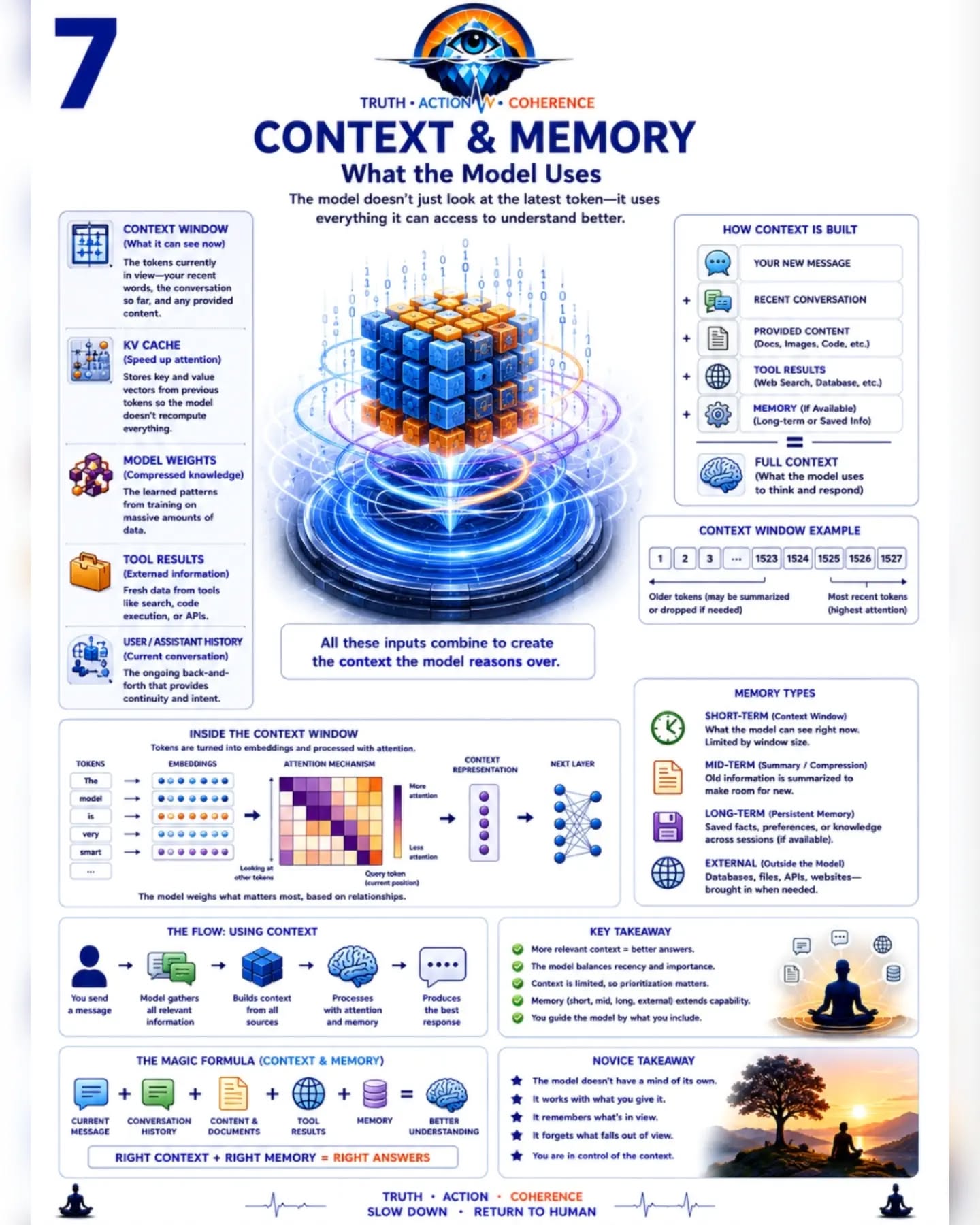

Summary
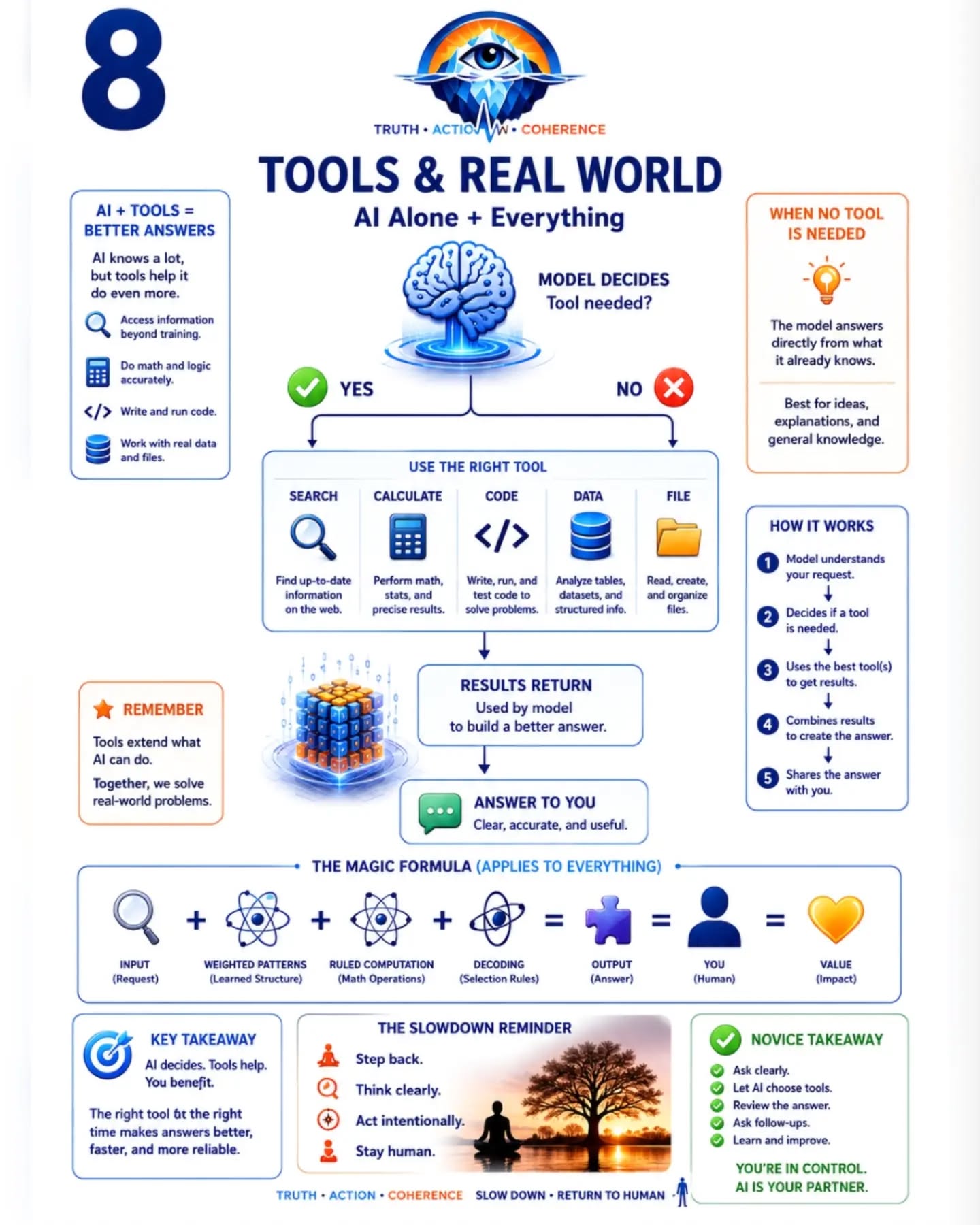
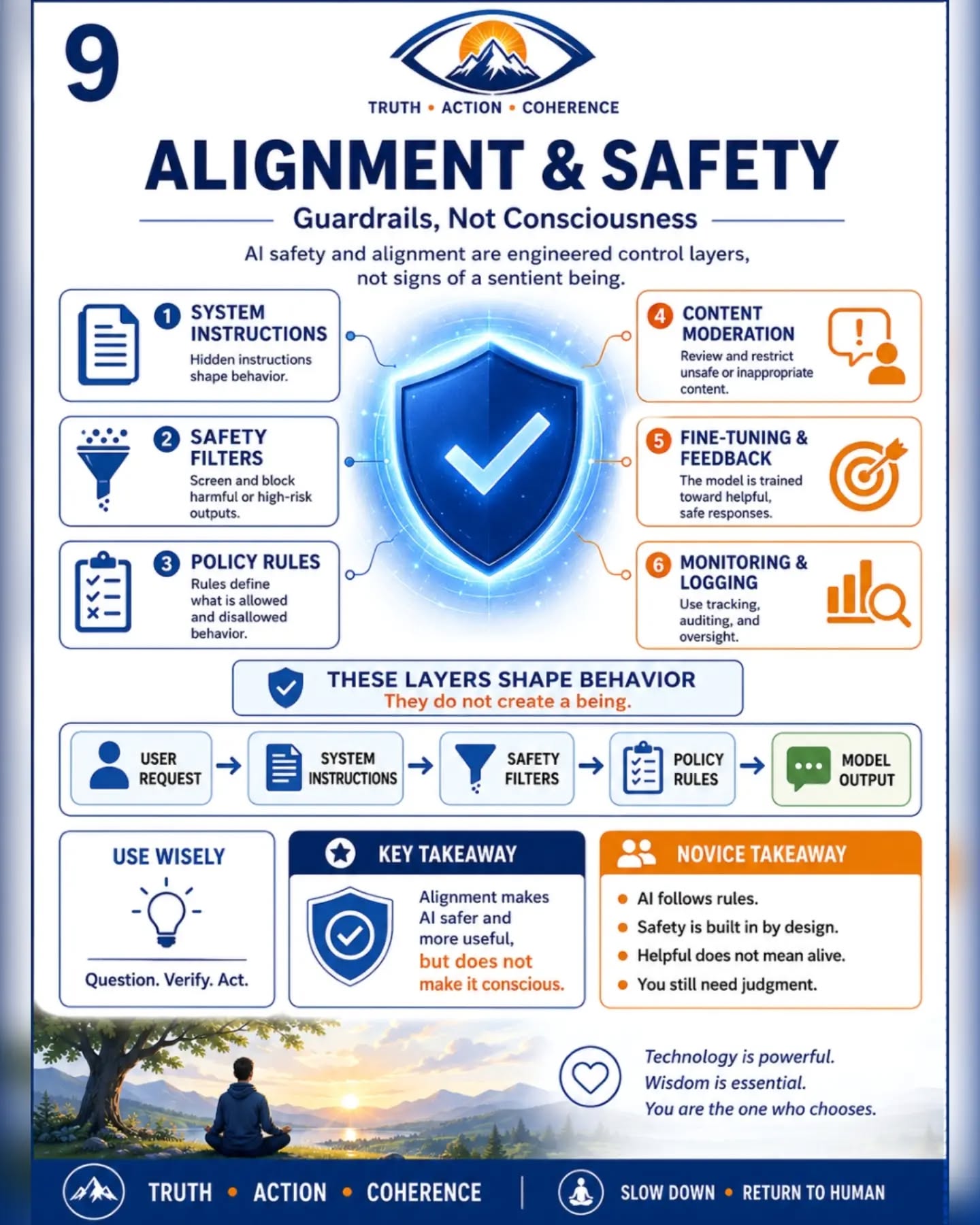
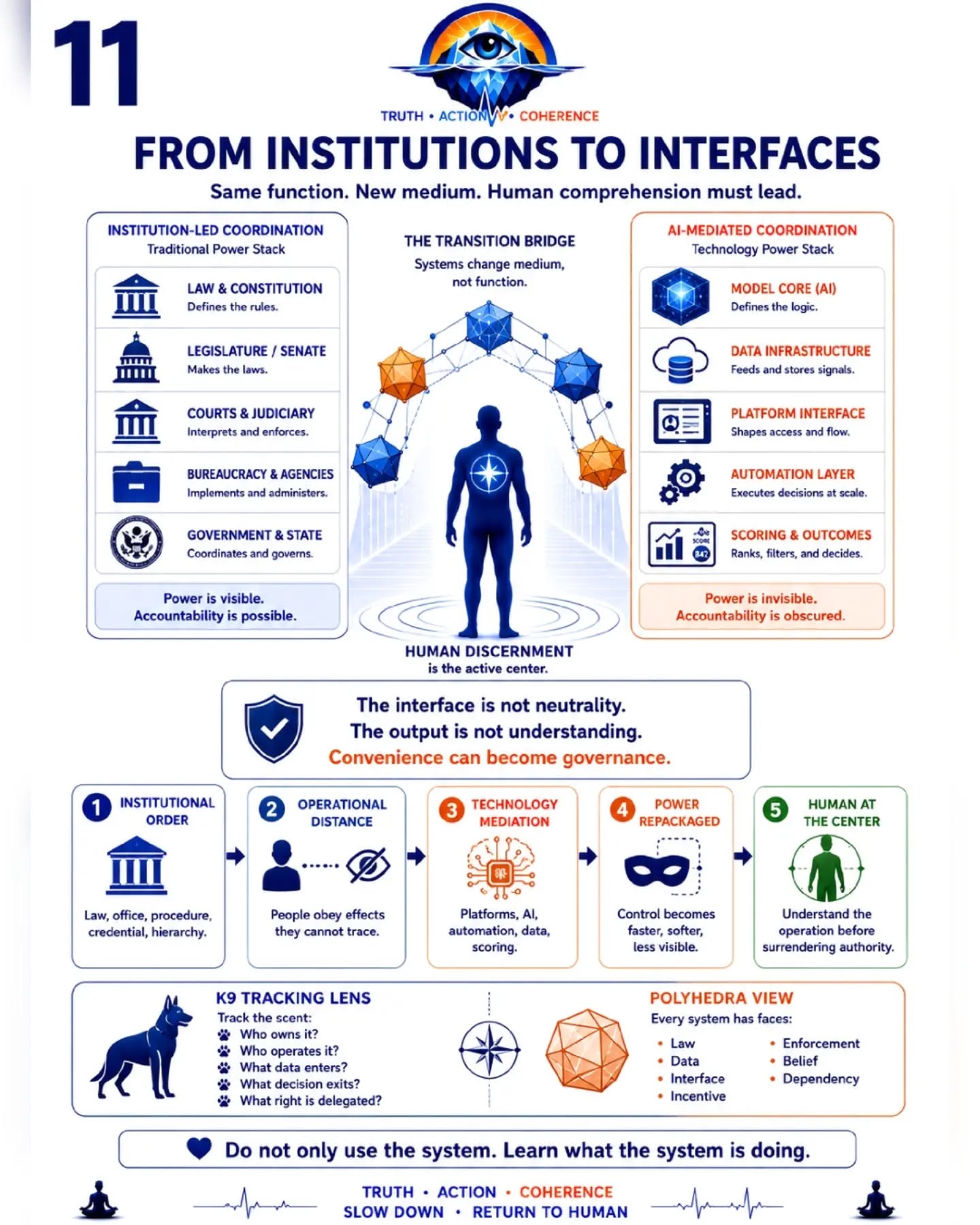
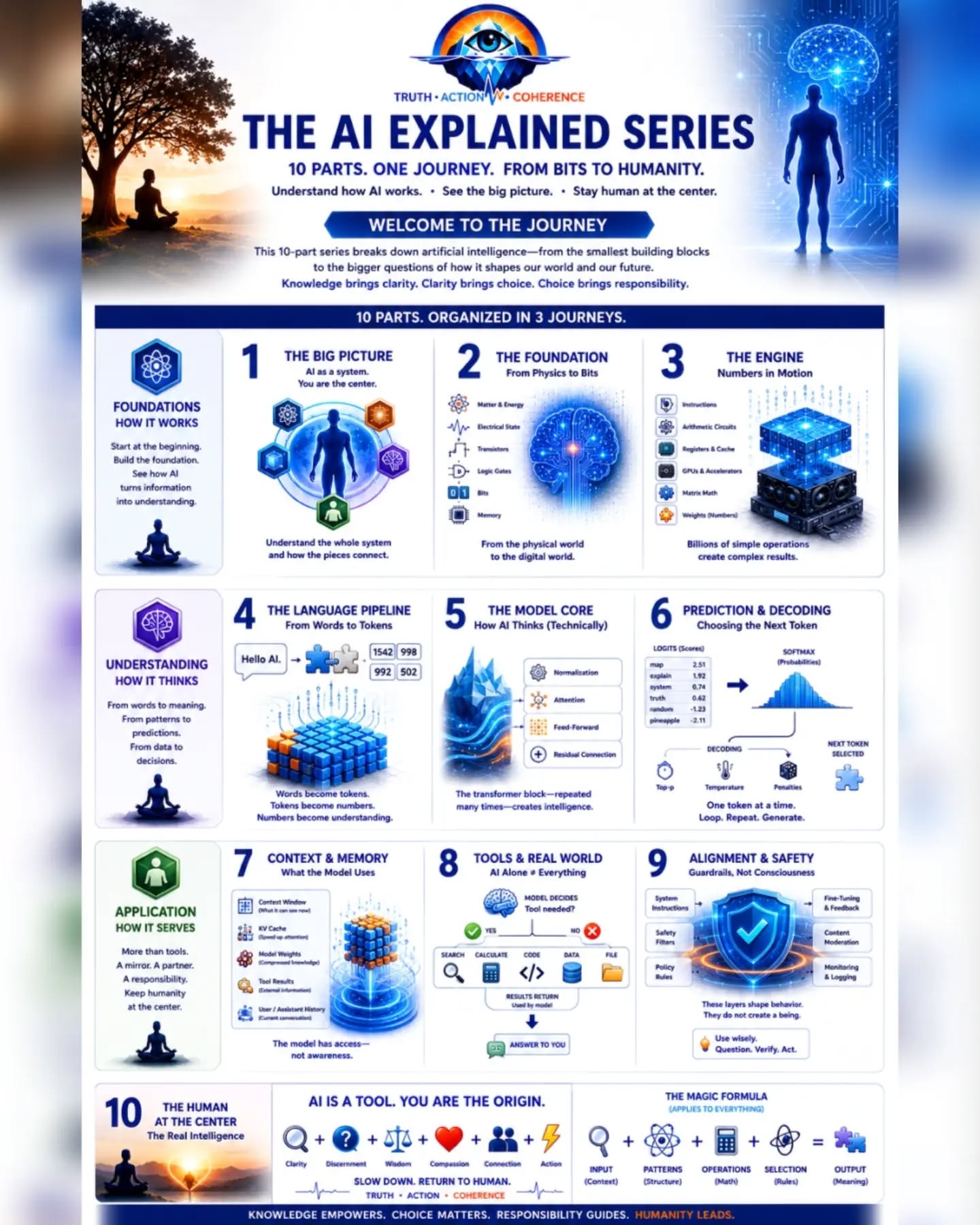
A visual sequence on learning to see the operations beneath a working system. Once mechanism and function are visible, the question shifts from whether an output is convenient to how participation, benefit, cost, and authority are arranged.
What it maps
Mechanism, function, switch, participation, benefit, cost, output, understanding, convenience, governance, neutrality, and the user’s role inside the operating system. It also attends to the boundaries that determine whether mechanism or function carries authority.
Why it matters
Systems can govern behaviour without appearing political because they simply work. Mechanism literacy helps people recognise the terms of participation and choose more deliberately where power is being carried. It creates a clearer route for questioning how mechanism and function are being carried.
This is an editorial interpretation of the ordered visual work. Display priority is a navigational choice, not an objective quality grade or proof claim.